
Thales Digital Solutions
Biometric Monitoring and Analysis for National Security Training
Client
Thales Digital Solutions
Services
Industries
Published on
Context
Effective training for law enforcement and national security personnel depends on more than scenario design and instructor judgment. Understanding how candidates respond physically and cognitively under stress (and being able to track, review, and analyze that response systematically) can meaningfully improve both training outcomes and candidate evaluation.
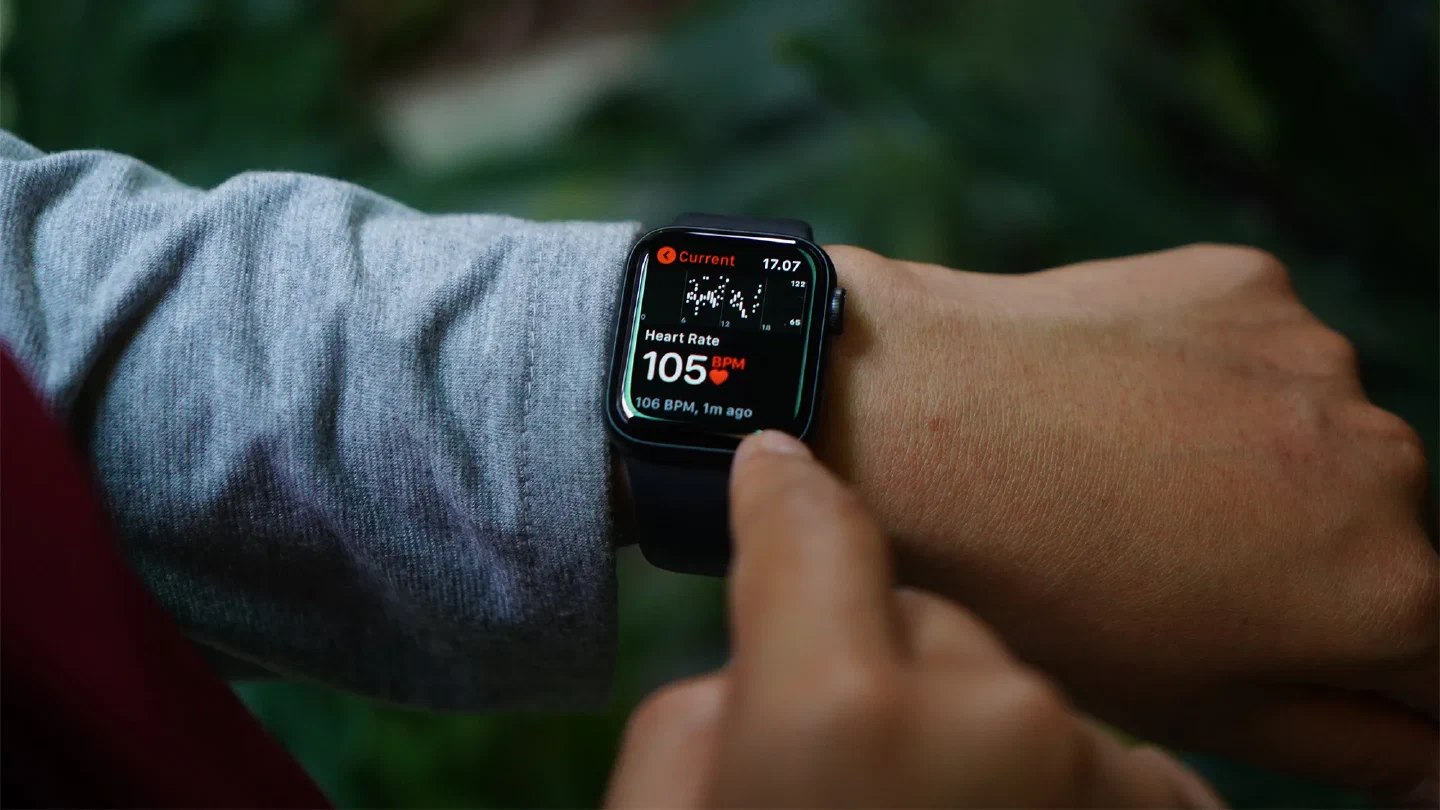
This project explored how an existing Thales biometric measurement system could be adapted to support the training programs of the RCMP and national security training organizations. Wearable devices captured physiological signals from each trainee: heart rate, oxygen saturation, activity levels, and positional data. From those signals, the system derived a stress level for each participant algorithmically. Instructors were therefore working with two kinds of information at once: direct measurements, and an inference computed from them. Together, they formed an objective layer to complement the instructors’ direct observation of trainees.
The Challenge
Adapting an existing product to a new context is not simply a matter of rebranding. The users, the environment, the tasks, and the stakes are all different. Training instructors are not the same as the product’s original user base; they have different mental models, different workflows, and different needs for how information should be presented and acted upon.
The core UX challenge was twofold. During a training session, instructors needed to monitor multiple trainees simultaneously in real time, tracking biometric data as scenarios unfolded and identifying when a trainee’s physiological response required attention. After a session, those same instructors needed to review what had happened, replaying events, analyzing patterns across trainees, and building the kind of documented evidence that supports formal evaluation.
Running through both was a subtler problem. A heart rate is a reading; a stress level is an algorithm’s interpretation of several readings combined. Part of what instructors saw on screen was not a measurement but an estimate, and they had to be able to read it for what it was, weigh it against what they could observe directly, and act on it in decisions that carried professional consequences.
Two distinct but connected use cases. Two modes of interaction. One coherent system.
The Approach
The project began with stakeholder research. We conducted interviews with RCMP training officers and national security instructors to understand their current training practices, their existing technology use, and the specific ways they evaluated candidates and scenarios. This grounding was essential: designing for high-stakes training environments requires understanding not just what users do, but the professional context and judgment that surrounds it.
From those interviews, we developed the interaction design for two core interfaces:
Real-time monitoring interface Designed for use during active training sessions, this interface gave instructors a live view of biometric data across all trainees simultaneously. The design prioritized immediate legibility; instructors needed to identify anomalies or concerning readings at a glance, without navigating away from the primary view or losing situational awareness of the session in progress. The algorithm-derived stress level was presented alongside the underlying measurements (heart rate, activity, position), so instructors could see the signals themselves, not only the derived level.
Analysis and playback interface Designed for post-session review, this interface allowed instructors to replay sessions, review individual and comparative biometric data over time, and conduct the kind of structured analysis that informs evaluation decisions. A history and playback capability allowed instructors to return to specific moments in a session and examine what the data showed at that point. The same data served two evaluation targets: the candidate, and the scenario itself. Reviewing how stress levels evolved across a session gave training organizations a way to assess whether their scenarios were producing the responses they were designed to produce.
The design was built on an adapted foundation from an existing Thales biometric product, which provided a working technical base. Our role was to translate that foundation into interfaces genuinely suited to the needs of training professionals, not just technically functional, but appropriate to the context, the cognitive load, and the professional stakes involved.
The project was led by Noémie Lemaire, with Louis-Philippe Bellerose co-designing throughout and providing senior UX guidance, Figma setup, and quality assurance. Noémie has since become the lead UX designer at Thales Digital Solutions.
What the Work Produced
The central design problem was presenting an algorithm’s estimate of a human state to a professional whose judgment it is meant to support, not replace. The interfaces were designed so that instructors could see the derived stress level alongside the measurements and their own observation of the trainee, during the session and again in playback, and put it to work in evaluating both the candidate and the scenario.
The project delivered a high-fidelity Figma prototype covering both the monitoring and analysis interfaces, detailed enough to serve directly as the specification for the development of the final built solution.
Deliverables
- Stakeholder interviews with RCMP training officers and national security instructors
- Interaction design for the real-time biometric monitoring interface
- Interaction design for the post-session analysis and playback interface
- Presentation model for algorithm-derived stress levels alongside underlying biometric measurements
- High-fidelity Figma prototype used as development specification
Project period: January 2021 to March 2021 Client: Thales Digital Solutions Context: RCMP and national security training organizations Language of work: French and English