
Insights
Thinking on UX research, design systems, and the craft of building better products.

The text message that would have made the wait bearable
A text message to tell you when it’s your turn at the emergency room is a good feature. A UX designer on why it treats the pain and leaves the problem.
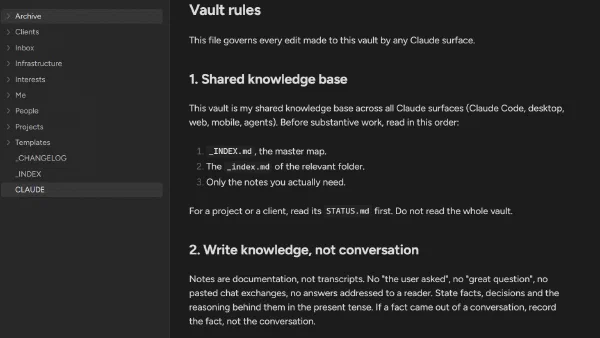
The Current LLMs Thread and Memory Problems
A human factors reading of LLM token limits, and the plain-text vault I built so my AI tools stop forgetting what matters.

Research steps that make sense
A card sorting round, a rudimentary prototype, and the moment a participant recognized the fix mid-sentence. A field note on validation done right.

The Flourishing Context Map: a discovery canvas for human flourishing
Design thinking anchors discovery in wants and pains. The Flourishing Context Map anchors it in human flourishing: five domains, four pathways, one canvas.

More Problems, Not Fewer People
The AI debate keeps asking which humans the machine can remove. IKEA asked a better question, and it points at problems nobody has capacity to solve.
Sovereignty Is Built at the Moment of Use
Owning a system nobody chooses to use isn’t sovereignty. Brazil’s Pix shows that adoption, and the design behind it, is what makes infrastructure sovereign.
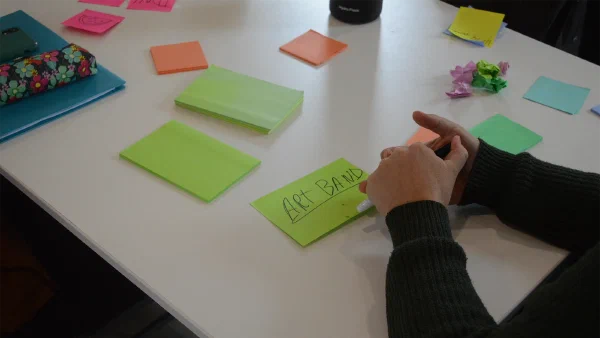
Design for Spontaneity
Organic connection isn’t the absence of structure. It’s a light structure that stays out of view and doesn’t diffuse responsibility.

“Trust AI” Means Three Different Things
AI isn’t a prophet to obey or a confidant to consult. It’s an extension of your reach, and the responsibility for what it produces stays yours.
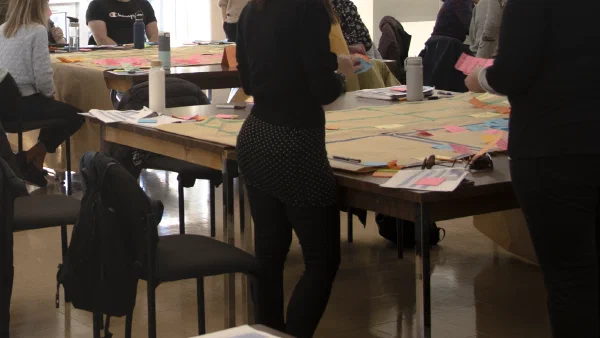
The Best Ideas Are Already in the Room
Good ideas hide in fragments across a team. A well-run workshop reconciles them into alignment, but only if the decision maker follows through.
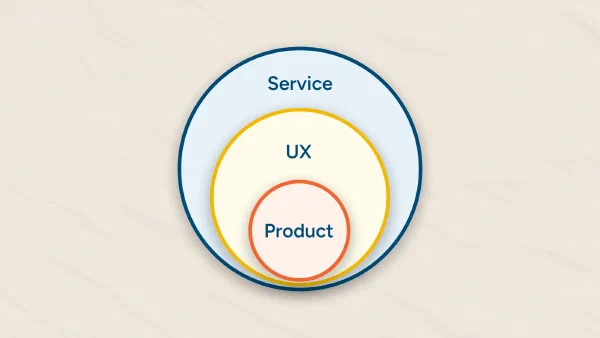
UX Was Never Just About Interfaces. Here’s What Happened.
I did not know the term “UX design” when I started my Master’s in Interaction Design at Université Laval (called Multimedia Design at the time). What drew me in was something Éric Kavanagh, the program director, said to me before submitting my application: it is design with a capital D. We are here to solve ill-defined problems.
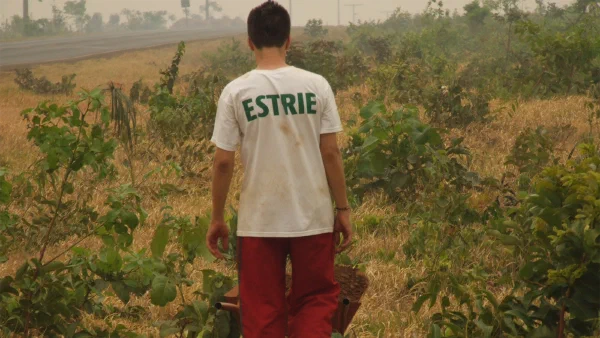
The Nacirema Effect: What Living in Brazil Taught Me About Consulting
In 1956, anthropologist Horace Miner published a study of a North American tribe called the Nacirema. He described their daily rituals in clinical anthropological terms: shrines found in every home where people perform elaborate mouth rites, medicine men consulted for mysterious ailments, and painful ceremonies endured in the name of beauty. The paper was published in a serious academic journal and read as a genuine ethnographic study.
It takes a moment to realize: Nacirema is American spelled backwards. Miner was describing us. We just couldn’t recognize ourselves. That paper has stayed with me for years. Because it captures something I experienced firsthand — not as a thought experiment, but as a lived reality.
Beyond Wants: Designing for Human Flourishing
When Line 4 of the São Paulo Metro introduced its SIIM system, nobody had asked for it. Each of the eleven stations on the Yellow Line now has its own musical composition, developed in partnership with conductor Gil Jardim and personalized based on the character of each station’s surrounding neighborhood. When the doors open, the music plays.
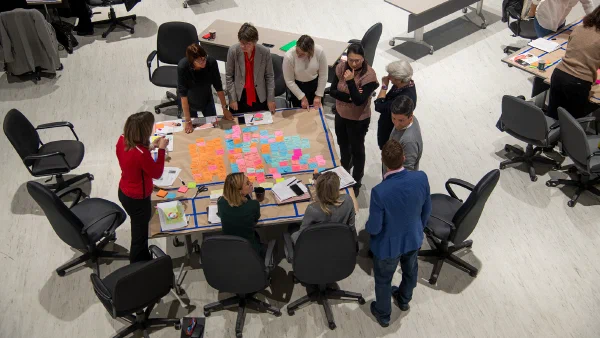
Crafting Success: The Art of Adapting Workshop Methods for Maximum Impact
In the realm of workshops, finding the right method can be akin to discovering the perfect brushstroke for a masterpiece. Recently, we embarked on a transformative journey with the School Services Center des Découvreurs, aiming to enhance engagement and generate innovative ideas for the next four years. While the “Bright Blury Blind” method served as our canvas, it was our adaptability that added the strokes of brilliance.
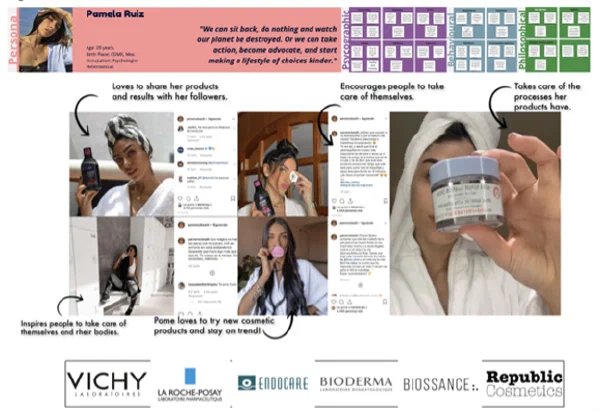
UX Tools – User Personas
As UX Designers our goal is to design for humans. Our main purpose is to understand who we are designing for. One of the most important parts of the process for user experience design is the empathic approach we create from the research we do about the possible users and what is the real need we need to approach.
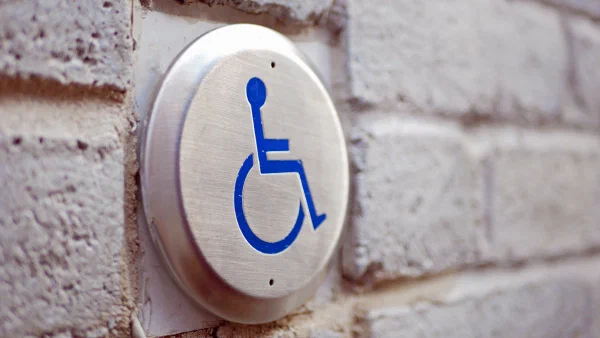
Accessibility: How to Design for All
Accessibility can be viewed as the concept of whether a product or service can be used by everyone - and be able to benefit from this system or entity. Nowadays is known to enable access to innovations, products, systems or everyday tasks to people with disabilities.
What to expect from all levels of UX designers?
It is a common knowledge that new grad or junior professionals usually are faced with an experience requirement gap when searching for a job. The employer will usually add a minimum experience in their job description which leads the newly graduated professional to ask the following conundrum: “How do I get a job to build experience if I need experience to get my entry-level job?” The problem here lies in different facets of the job market. While the applicant, even though they might think they are well fitted for the job, the employer might have a different idea, but sometimes, I think it relies solely on one thing: expectations.

What really is UX design?
Every day we live new experiences. From standing up from bed to taking a shower or preparing a cup of coffee, we are constantly interacting with products and services that make our experiences great or bad. When we enjoy an experience, we want more of it. Here is where UX design can shine.
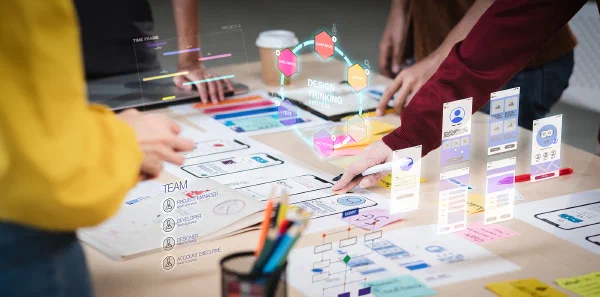
How is UX Design impacting the world?
When we think about UX, we usually fall into the idea that it is a technical and systemized procedure, but UI/UX Design Glossary describes it as the general attitude and emotional feedback that a user has at different stages of using the product. That is why it is expected that User Experience design has a large impact on the tech future.